This entry was posted on Jan 21, 2026 by Charlotte Bell.
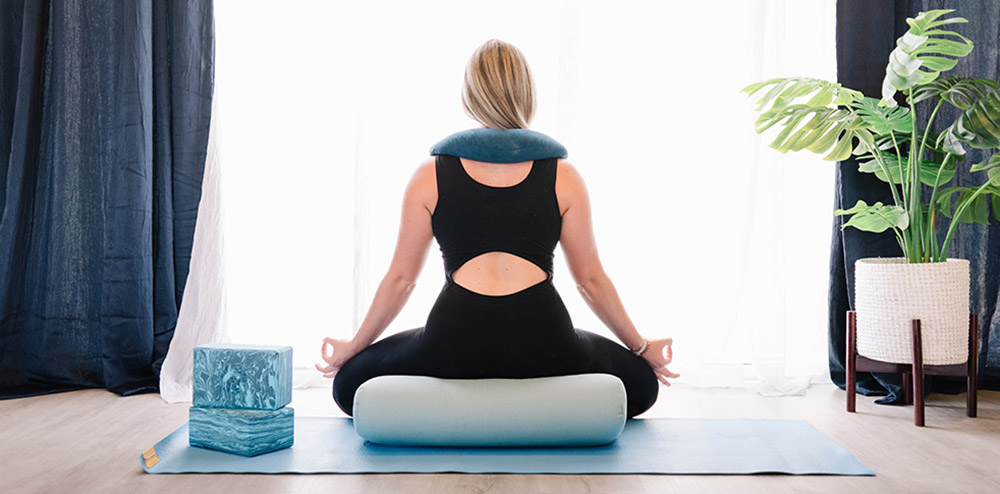
Slowing the tempo of our lives transforms the mundane into the transcendent. It teaches us how a lot there’s to understand in simplicity.
Years in the past I took a trip to Baja, to go to some associates who had relocated. One morning I made a decision to take a stroll on a abandoned seashore. As my tempo slowed because of the mushy sand, I started to note issues alongside the best way that I won’t have seen if I’d been dashing alongside at my typical tempo. I seen a wonderfully formed conch, glowing pebbles, multicolored sand crystals. One explicit pile of tide particles caught my eye. I finished to look extra intently.
Right here had been minute shells simply millimeters lengthy, vibrantly coloured, iridescent, unimaginably stunning. The longer I squatted within the sand inspecting the particles, the extra beautiful the scene grew to become. Even the tiniest shells had been attractive, painted and lacquered with care as if by miniature artisans. I mused that if I squatted there lengthy sufficient I would be capable to discern the character of every grain of sand within the beautiful pile of particles. I used to be grateful I had nowhere to go, no vital process to perform. This jogged my memory of the elegant fantastic thing about slowing down.
The Observe of Slowing Down
I initially grew to become acquainted the observe of slowing down on my first vipassana meditation retreat a few years in the past. That is the place I first discovered the formal observe of strolling meditation. As the times glided by, the observe of slowing down started to filter into every thing we did—consuming, brushing tooth, washing dishes, showering, consuming a cup of tea, training yoga asana.
From the skin, we most likely seemed a bit odd, possibly somewhat sleepy and lackluster. However the internal expertise couldn’t have been extra vibrant. Slowing down and connecting with the myriad micro-movements that make up every motion made me really feel absolutely, consciously alive.
“We’re all sensation junkies,” mentioned writer and meditation trainer Sylvia Boorstein on a retreat I attended at Spirit Rock Meditation Heart. We’re a tradition that craves stimulation, a tradition of velocity and pleasure. As a folks we’re interested in driving quick, being scared out of our minds by movies, watching aggressive sports activities and listening to loud music. This stuff are thrilling and stimulating to us. Feeding our sensation behavior helps us really feel extra very important.
How Speediness Can Obscure the Second
The yoga sutras outline yoga as “the settling of the thoughts into silence.” Once we velocity alongside at our routine tempo, our actions grow to be mechanical. Our minds are anyplace however within the current. However it’s within the current second the place our minds can settle into silence. Once we decelerate, we will extra simply glimpse the silent thoughts, the infinite sky of consciousness.
In the identical means the tangled mass of particles on the seashore can remodel right into a improbable panorama, the sensations of residing in our body-mind might be fairly compelling. However we’ve got to decelerate to expertise them. From the vantage level of readability, what we see, really feel, hear, contact, odor and style generally is a celebration.
By means of quiet yoga and meditation observe I’ve discovered the refined energies transferring by way of the physique to be fascinating. Once we are keen to decelerate sufficient to look deeply, new worlds speak in confidence to us which can be profoundly satisfying and enlivening.
Nonetheless, training slowing down on a meditation retreat, the place it’s a very important a part of the observe, is sort of totally different from attempting to calm the velocity of our every day lives. In Twenty first-century Western tradition, having a full schedule is taken into account to be an indication of advantage. Taking time to loosen up is taken into account to be an indication of weak spot or sloth.
It’s, in reality, enjoyable to interact in actions that stimulate. However residing in a state of fixed exercise, with no time to decelerate or cease, just isn’t a state of steadiness. It’s from the bottom of steadiness—the ever-changing centerpoint between motion and relaxation—that we dwell most gracefully on this planet.
Gradual Down, De-Stress
It’s controversial that stress is the plague of our time and tradition. Many people keep the lightning tempo of our lives through adrenaline. Our adrenal glands and nervous system work additional time to maintain us on observe. The adrenals are supposed to assist us by way of occasional hectic conditions, not the regular onslaught of a packed schedule. With out occasional relaxation, they put on down. After they put on down we grow to be drained and really feel burdened.
Gradual motion might alter our physiological steadiness in a means that’s replenishing to our nervous system. Roger Cole, Ph.D., is a yoga trainer and analysis scientist who specializes within the physiology of leisure, sleep and organic rhythms. He research the good thing about gradual actions, comparable to yoga and tai chi, on the human nervous system.
“They supply regular, mild, nice enter to the nervous system from kinesthetic sensors within the physique (muscle spindle stretch receptors, golgi tendon organs, joint place sensors),” he says. “Simply as once we get a therapeutic massage, this might assist induce reflex leisure of the muscle mass and make us really feel mentally secure, decreasing the ‘fight-or-flight’ response the mind (and thereby decreasing the degrees of stress hormones circulating within the bloodstream).”
How Slowing Down May Really Make You Extra Productive
Maybe the physiological advantages of slowing down would possibly even improve our potential to perform what we have to do. Once I take time every day to drop my schedule and do one thing utterly unrelated to work or to do nothing in any respect, I come again to my duties with extra readability and equanimity. Some days might permit an hour to decelerate; others might not.
On the extra tightly scheduled days I would do one thing easy. This might embrace:
- taking a leisurely stroll across the block
- training a couple of yoga asanas
- mindfully washing the dishes
- enjoying with my cats
- savoring my dinner
- mindfully consuming a cup of tea
It doesn’t matter what I do to. What issues is that I permit myself to go to the second absolutely, to expertise its richness and sweetness. How a lot work I accomplish is much less vital than the spirit and care I carry to what I do. Slowing the tempo of our lives transforms the mundane into the transcendent. It teaches us how a lot there’s to understand in simplicity.
About Charlotte Bell
Charlotte Bell found yoga in 1982 and started instructing in 1986. Charlotte is the writer of Aware Yoga, Aware Life: A Information for On a regular basis Observe and Yoga for Meditators, each revealed by Rodmell Press. Her third ebook is titled Hip-Wholesome Asana: The Yoga Practitioner’s Information to Defending the Hips and Avoiding SI Joint Ache (Shambhala Publications). She writes a month-to-month column for CATALYST Journal and serves as editor for Yoga U On-line. Charlotte is a founding board member for GreenTREE Yoga, a non-profit that brings yoga to underserved populations. A lifelong musician, Charlotte performs oboe and English horn within the Salt Lake Symphony and folks sextet Crimson Rock Rondo, whose DVD gained two Emmy awards.